
Fund vs. Syndication: Regulation D Legal Guide for Sponsors
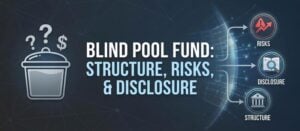
Fund vs. syndication under Regulation D: syndications disclose one asset; funds disclose strategy, blind-pool risks, and possible investment adviser issues.

Fund vs. syndication under Regulation D: syndications disclose one asset; funds disclose strategy, blind-pool risks, and possible investment adviser issues.

A scalable Reg D syndication needs a Sponsor Entity, Investment Entity, and Asset SPV to separate management, investor capital, and property risk cleanly.

An accredited investor questionnaire supports a Rule 506(b) private placement; 506(c) verification requires proof from each investor after general solicitation.

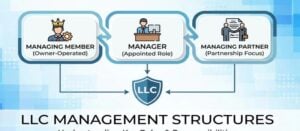
LLC vs. LP choice in a Regulation D syndication affects sponsor liability, investor expectations, institutional capital, PPM drafting, and GP LLC structure.

A single purpose entity in a real estate syndication isolates one asset, one loan, and investor risk through clean LLC structure and lender covenants.

The closed-end vs open-end private equity funds distinction depends on asset liquidity, NAV, redemption gates, and Regulation D fund compliance for sponsors.

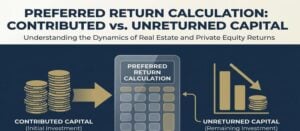
Preferred equity investments in Reg D syndications are drafted priority rights, not guaranteed yields, and depend on waterfall, lender, tax, and PPM alignment.

The Core Distinction: A Deal Versus A Mandate A syndication raises capital for one specific, identified asset. A fund raises a blind pool of capital to execute a stated investment strategy over time. That is the whole difference. Everything else – the entity chart, the waterfall, the capital call mechanics

The Blueprint: Connecting Entities to Economics A real estate syndication structure has two parts that have to work together: a legal chassis of layered entities, and an economic engine that moves the cash. The chassis is the set of entities that hold the asset, house the investors, and separate the

The Core Difference Between Syndication Fees and the Promote Sponsors get paid in two very different ways, and people constantly mix them up. Operational fees pay the sponsor for the work of running the business. The promote – also called carried interest – is the sponsor’s share of the upside,