
The Intersection of Regulation D Preemption and North Carolina Blue Sky Laws
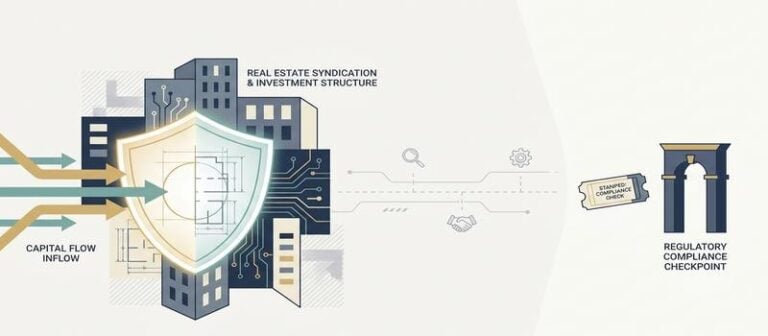
If you are raising capital in North Carolina under Regulation D Rule 506, here is the practical answer up front: federal law stops North Carolina from registering, qualifying, or second-guessing the merits of your offering, but it does not clear you of every state obligation. The state can still require a notice filing, collect a fee, and come after you for fraud. Preemption is not a get-out-of-state-free card. It is narrower than that.
The mechanism is the National Securities Markets Improvement Act of 1996, usually called NSMIA. NSMIA created a category called “covered securities.” Securities sold under Rule 506 are covered securities. When a security is covered, the states lose their power to run it through their own registration or qualification process. That is the piece that matters most to a sponsor.
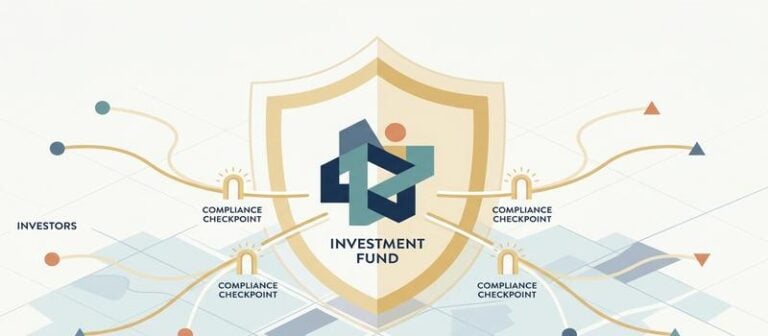
So the mental model is a federal overlay. Rule 506 sweeps away the substantive state registration layer. What sits underneath is North Carolina’s retained authority to require notice, charge a fee, and police conduct. Keep both halves in your head. Sponsors get in trouble when they remember the first half and forget the second.
How Covered-Security Preemption Works in North Carolina
Rule 506 offerings are covered securities, which means North Carolina cannot conduct a merit review. A merit review is a state regulator deciding whether your deal is fair, whether the sponsor’s compensation is reasonable, or whether the investment is suitable for the public. For a valid Rule 506 offering, North Carolina has no authority to make those judgments and no authority to block the offering on those grounds.
The practical benefit is enormous. Without preemption, a sponsor raising in multiple states would face up to 50 separate registration or qualification processes, each with its own reviewer, its own standards, and its own timeline. Rule 506 collapses that. You run one federal offering, and the states cannot require you to requalify the securities substantively in each jurisdiction.
But be precise about what preemption removes. It removes the state’s power over registration and qualification. It does not remove the state’s power to require a notice filing, to collect the associated fee, or to enforce its anti-fraud laws. Those survive. That distinction is the whole ballgame for the rest of this article.
North Carolina’s Retained Anti-Fraud and Administrative Authority
North Carolina keeps two categories of power over your Rule 506 offering. First, it can require you to make a notice filing and pay a fee. Second, it retains its anti-fraud authority under the North Carolina Securities Act, codified in Chapter 78A. Preemption of registration does not touch either one.
The anti-fraud piece is the one sponsors underrate. Chapter 78A gives the North Carolina securities Administrator authority to investigate and act against misleading statements, material omissions, and deceptive conduct in connection with the sale of securities in the state. Covered-security status does not immunize your marketing, your Private Placement Memorandum, or your verbal pitch from that scrutiny. If your offering documents overstate returns or bury a real risk, the fact that Rule 506 preempted state registration will not help you.
The administrative piece matters too. The Administrator can pursue procedural violations, and the state can treat a failure to complete required filings as a problem rather than a courtesy. In plain English: you got relief from state registration, not from state jurisdiction. Treat the notice filing and the anti-fraud rules as live obligations, because that is exactly what North Carolina still has the power to enforce.
Rule 506 Offerings vs. North Carolina Intrastate Exemptions
Most sponsors choose Rule 506 over a purely intrastate approach for one simple reason: Rule 506 gives you a national framework, while an intrastate offering locks you inside North Carolina and punishes any mistake about who your investors are. Both paths are legal. They are not equally forgiving.
The difference comes down to where the jurisdiction sits. Rule 506 is a federal exemption, and its covered-security status preempts state registration, as covered above. A purely intrastate offering does the opposite. It relies on staying entirely within North Carolina, which means state law governs the whole thing and you lose the federal preemption cushion. That tradeoff drives everything else.
Understanding North Carolina’s Exempt Securities (NC ST § 78A-16)
North Carolina has its own statutory framework for exempt securities, set out in NC ST § 78A-16. This is the section that identifies categories of securities and transactions North Carolina treats as exempt from its registration requirements at the state level. It is worth understanding because it is a separate track from Rule 506.
Here is the practical point. These state exemptions exist, but they are narrow. Section 78A-16 addresses things like securities of certain regulated entities and specific transaction types, and each category carries its own conditions. You do not get the broad, well-worn safe harbor that Rule 506 gives you. Instead, you are reading North Carolina statutory language and administrative rules line by line to confirm your deal actually fits.
I am not telling you a particular syndication qualifies under Section 78A-16. Whether any specific offering fits one of these state exemptions is a fact question that depends on the entity, the transaction, and the investors. The point is structural: relying on a state exemption means living inside North Carolina’s rulebook rather than the federal one, and that rulebook is tighter and more fact-specific than most sponsors expect.
The Strict Residency Risk of Pure Intrastate Offerings
A federal intrastate offering under Rule 147A removes SEC registration from the picture, but it does so by demanding that the offering stay inside one state’s borders. That is the trap. You give up federal oversight, and in exchange the offering has to satisfy strict conditions about the issuer’s presence in the state and, critically, the residency of the people who buy.
Residency is where sponsors get hurt. Intrastate frameworks are built around keeping purchasers in-state, and the tolerance for error is low. If you accept an investor who does not meet the residency requirement, you can lose the exemption for the whole offering, not just for that one investor. In a syndication where you are pulling in capital from wherever you can find it, that is a real risk, because one out-of-state check can unravel the structure.
Rule 506 is cleaner for that reason. It does not care whether your investors live in North Carolina, South Carolina, or Nevada. You can take investors across state lines, subject to making the required notice filings in the states where you sell. I am not going to tell you which exemption is right for your deal. That depends on what you are trying to accomplish and who your investors are. But if your investor base is not neatly contained inside North Carolina, an intrastate exemption puts you in a box, and Rule 506 usually does not.
The “First Sale” Trigger and When Your Compliance Clock Starts
Your compliance timeline starts at the first sale, and the federal deadline it triggers is short: a Form D notice must be filed with the SEC within 15 days after that first sale. Everything downstream, including the state notice filings, keys off that date. So the first practical question in any North Carolina offering is not “when do I file?” It is “when did my first sale actually happen?”
The reason this matters is that states, including North Carolina, use the same event to track their own notice requirements. Miss the front-end trigger and you have not missed one deadline. You have potentially missed a stack of them.
Defining the “First Sale” in a Syndication
The first sale is the moment your first investor is irrevocably committed, not the day you started marketing and not the day the deal fully closes. In a syndication, that usually means the point where the investor has signed the Subscription Agreement and the money is in hand, so the commitment is binding rather than tentative.
Here is why the distinction is worth getting right. If an investor sends a soft indication of interest, that is not a sale. If the investor signs the subscription documents and funds the investment so the commitment is locked, that is your first sale, and the 15-day federal clock starts running. The SEC counts from that event, and the states watch the same event to time their notice filings.
If you are not sure which investor was first or exactly when their commitment became binding, that is a signal to slow down and confirm it with counsel before the clock quietly runs out. In the real world, the first sale is often earlier than sponsors assume.
Notify Counsel the Moment Money Comes In
Here is the operational rule I would treat as non-negotiable: tell your securities counsel the moment you receive investment funds. Not at closing. Not at the end of the quarter. When the money comes in.
The reason is that each new investor can pull a new state into the picture. Say your fund is operating in North Carolina and you accept a single investor from South Carolina. That one investor can trigger South Carolina’s Blue Sky jurisdiction and its own notice-filing expectations, on its own timeline. You now have obligations in two states, and they do not necessarily line up.
Across a raise, those triggers roll. Every time you take capital from an investor in a new state, you potentially start another filing clock. The sponsor who waits until the offering closes to think about filings is trying to reconstruct a series of dates after the fact, which is exactly when deadlines get missed. The fix is boring and effective: build a habit of flagging every incoming investment to counsel as it happens, so the filings get tracked in real time instead of reverse-engineered later.
The North Carolina Notice Filing Lifecycle
Once your first sale locks in, the North Carolina side of the work follows a predictable arc: an initial notice filing with a fee, an amendment if something material changes, and a renewal if the offering runs long. None of it is a merit review, and none of it asks North Carolina to approve your deal. It is administrative. But administrative is not optional, and the sequence has real timing built into it.
Initial Notice Filings and Current Fee Verification
The initial step is submitting your federal Form D to North Carolina, together with a filing fee. This is the state notice filing referenced throughout this article. You are not asking permission. You are giving the state notice that a Rule 506 offering is being sold to investors in North Carolina, and you are paying the fee that goes with it.
The expected route today is the NASAA Electronic Filing Depository, usually called EFD. EFD is the online system built to transmit Form D notice filings and fees to participating state regulators, and it is the modern channel a sponsor should anticipate using for North Carolina. I am not going to walk you through the screens. The point is that EFD is where this generally happens, and it is where you confirm the current mechanics rather than relying on what a filing looked like a few years ago.
On the fee, be careful. You will see figures floating around, including a $350 amount that gets repeated in older material. Do not treat any specific number as the current, settled fee. The right move is to verify the exact North Carolina fee through EFD or directly with the North Carolina securities regulator at the time you file. Fees and procedures change, and the number that was right last cycle is not automatically right today.
Navigating Late Filing Scenarios and Potential Penalties
If you blow past the 15-day window after the first sale, treat that as a problem, not a rounding error. In many jurisdictions, a late notice filing invites penalties, late fees, or friction with the regulator, and it puts a spotlight on an offering that would otherwise have moved through quietly. The filing is a strict legal requirement. It is not a courtesy you extend to the state when you get around to it.
I am not going to tell you North Carolina has no late fee or that a tardy filing is harmless. I do not have that verified, and I would not guess in either direction. What I will tell you is that the way to stay out of that entire question is to file on time. Confirm whether North Carolina imposes a late fee or penalty as part of your filing process, and then make the question moot by hitting the deadline. The sponsors who get burned here are usually the ones who filed the SEC Form D and assumed the state piece could wait.
Handling Form D Amendments and Renewals
The lifecycle does not end at the initial filing. Two later events commonly pull you back in: amendments and renewals.
An amendment is triggered when something material about the offering changes. Federal Form D rules require an amended Form D in defined situations, such as a material change to the information already reported. When you amend the federal Form D, you generally update the state notice filing to match, so the two stay consistent. In plain English: if the deal changes in a way that makes your original filing inaccurate, expect to file an amendment on both the federal and state sides.
A renewal comes into play when the offering runs long. An offering that continues past a year generally requires an annual renewal filing, often with an additional fee. This matters for open-ended raises and blind-pool funds that stay open across multiple years rather than closing quickly. If your offering is still live at the one-year mark, put the renewal on your calendar and confirm the current renewal mechanics and fee for North Carolina at that time, the same way you verified the initial fee. Do not assume the amount or the process from another state carries over.
The Practical Impact of Rule 506(b) vs. Rule 506(c) on State Scrutiny
Rule 506(b) and Rule 506(c) both give you the same federal preemption, so North Carolina cannot register or merit-review either one. What changes between them is not the legal preemption. It is your practical risk profile: how visible you are to the regulator and how much disclosure weight you carry. A 506(c) offering is public, which means somebody at the state can see it. A 506(b) offering that reaches down to non-accredited investors picks up a disclosure burden that most sponsors do not actually want.
General Solicitation Under 506(c)
Rule 506(c) lets you generally solicit, which means you can advertise the offering publicly, but the tradeoff is that every purchaser must be accredited and you must take reasonable steps to verify that status. You cannot just take the investor’s word for it under 506(c). You verify.
The state-level consequence is visibility. When you advertise, you are putting the offering out where anyone can find it, including the North Carolina securities regulator. A private 506(b) raise moves quietly. A 506(c) campaign with a website, an email blast, and a public pitch does not. Nothing about that is illegal. But you should assume a regulator can and might look.
That is why your marketing has to be clean. North Carolina keeps its anti-fraud authority under Chapter 78A no matter which exemption you pick, as covered earlier. A hyper-visible 506(c) offering is exactly the kind of thing that draws attention if the numbers look inflated or a real risk is buried. In plain English: if you are going to advertise, treat every public statement as if the regulator is reading it, because they can.
The Disclosure Burden of Non-Accredited Investors in 506(b)
Rule 506(b) lets you include up to 35 non-accredited investors, and it is legal to do so, but I would not, and here is why. The moment you accept even one non-accredited investor, federal rules require you to deliver a specific and detailed set of disclosures to those investors, closer to what a registered offering demands. That is a real jump in the work.
That disclosure package is not a form you fill out in an afternoon. It drives up legal cost, drafting time, and administrative burden, and it raises your liability exposure because now you are on the hook for a much heavier disclosure standard. For a standard syndication or fund, that cost usually swamps whatever capital a handful of non-accredited investors would bring.
So this is a “you can, but you will not like the problem it creates” situation. Nothing in the law bars non-accredited investors from a 506(b) deal. It is a business and cost decision. In practice, most sponsors run 506(b) with accredited investors only, precisely to avoid triggering that disclosure regime. If you have a specific non-accredited investor you genuinely want in the deal, that is a conversation to have with counsel about whether the extra burden is worth it, not a default you back into by accident.
Coordinating with Out-of-State Securities Counsel for North Carolina Offerings
You do not automatically need a North Carolina-licensed attorney to run a Rule 506 offering that reaches North Carolina investors. Regulation D and Rule 506 are federal frameworks, and nationwide securities counsel routinely structures these offerings and coordinates the associated state notice filings across the states where you sell. The picture changes when the offering stops being a federal Rule 506 offering and becomes a matter of North Carolina state law. That is where local counsel starts to matter.
Federal Exemptions and Nationwide Legal Coordination
Rule 506 lives in the federal securities laws, not in North Carolina’s. That is the reason a securities lawyer working nationally can build the structure, draft the Private Placement Memorandum, prepare the Form D, and coordinate the state notice filings for a multi-state raise. The core work – the exemption itself and the federal Form D – is federal, and the state piece for a covered security is a notice filing rather than a substantive state registration you have to argue in front of a North Carolina reviewer.
In practice, that is how most Rule 506 offerings get done. One securities counsel runs the federal structure and then handles the administrative notice work in each state where you take investors, North Carolina included. The NASAA EFD filing described earlier fits this model, because it is an administrative transmission of a federal form and a fee, not the practice of North Carolina substantive law.
I want to be careful here, though. Saying nationwide counsel commonly does this work is not the same as saying state licensing rules can never apply to any of it. State unauthorized-practice rules exist, and they are their own analysis. The clean statement is narrower: the Rule 506 offering itself is federal, and coordinating the federal offering plus the state notice filings is standard nationwide securities practice.
When Local North Carolina Counsel is Necessary
Local North Carolina counsel becomes important when the question stops being federal and becomes a North Carolina state-law question. The clearest example is the intrastate track discussed earlier. If you are relying on a North Carolina state exemption or a purely intrastate structure, you are no longer inside the federal Rule 506 framework. You are inside North Carolina’s statutes and administrative rules, and that is exactly the kind of state-specific analysis where a North Carolina-licensed attorney earns their keep.
The same is true for the surrounding deal. A Rule 506 offering usually sits on top of an actual transaction – a North Carolina real estate acquisition, a local operating company, a set of contracts governed by North Carolina law. Disputes, title questions, local contract issues, and state-specific property or entity questions are ordinary North Carolina legal work, not federal securities work. Do not assume your securities counsel covers all of that just because they handled the federal offering.
So the practical division looks like this. Federal Rule 506 structure and the state notice filings: nationwide securities counsel routinely handles it. Purely state-law exemptions, intrastate offerings, and the local transaction underneath the raise: expect to bring in North Carolina counsel. If you are not sure which side of that line your issue falls on, that itself is a question worth asking counsel early, before you have committed to a structure.
Frequently Asked Questions About North Carolina Blue Sky Laws
Most sponsors leave the main discussion with the same handful of practical questions: whether they have to file, what the filing actually is, when it is due and what it costs, how Rule 506 compares to going intrastate, and who can do the work. Here are direct answers. Where a detail still needs verification, I say so rather than guess.
Does a Rule 506 offering require a North Carolina Blue Sky notice filing?
Generally, yes. If you sell a Rule 506 security to an investor in North Carolina, the state expects a notice filing and a fee, even though the securities are federally preempted covered securities.
The reason preemption does not eliminate the filing is that NSMIA took away the state’s power to register or qualify the offering, not its power to require notice and collect a fee. Those are two different things. Congress preempted the substantive review; it left the administrative notice in place. So a sponsor who reads “preempted” as “nothing to do in North Carolina” is reading it too broadly.
The distinction to hold onto is notice versus merit review. A notice filing tells the state an offering is happening and pays the associated fee. A merit review is a state regulator judging whether your deal is fair or suitable. Rule 506 shuts down the merit review. It does not shut down the notice.
Is a North Carolina Blue Sky notice filing the same as registering the offering?
No. A notice filing is not registration, and it is not the state approving, clearing, or endorsing your deal.
Registration is the substantive process where a regulator reviews and passes on an offering before it can be sold. For a Rule 506 covered security, North Carolina cannot do that. What it can require is a notice filing, which is administrative. You submit the federal Form D and the fee. Nobody at the state signs off on the merits, and you should never describe the filing to investors as state approval, because it is not.
What survives alongside the notice filing is North Carolina’s anti-fraud authority under Chapter 78A. As covered earlier, the state can still act against misleading statements and material omissions in connection with a sale in North Carolina. So the notice filing is not registration, but it is also not the end of the state’s involvement.
When is the North Carolina notice filing due, and what does it cost?
The timing keys off your first sale. The federal Form D is due within 15 days after the first sale, and North Carolina uses that same event to time its notice filing. So the practical answer is to file with the state in connection with that same 15-day window rather than treating it as a separate, later task.
On cost, I am not going to hand you a hard number and call it current. You will see a $350 figure repeated in older material, but fees and procedures change, and I would not treat any specific amount as settled. Verify the exact North Carolina filing fee through the NASAA Electronic Filing Depository (EFD) or directly with the North Carolina securities regulator at the time you file. EFD is the expected filing channel, and it is also where you confirm both the current fee and any separate platform charge, rather than relying on what a filing looked like a few cycles ago.
How is a Rule 506 offering different from a purely intrastate North Carolina offering?
The core difference is flexibility about who can invest. A Rule 506 offering can take investors across state lines, subject to making the required notice filings in the states where you sell. A purely intrastate offering cannot.
An intrastate offering is narrower and heavily fact-dependent, and purchaser residency is the pressure point. The whole structure is built around keeping the buyers in-state, and the tolerance for getting that wrong is thin. Rule 506 does not ask where your investors live. That is why sponsors with an investor base that is not neatly contained inside North Carolina usually land on Rule 506, while an intrastate exemption fits a genuinely local raise. I am not telling you which one fits your deal; that depends on your facts and your investors.
Can out-of-state securities counsel handle a North Carolina Rule 506 notice filing?
Usually, yes, for the federal Rule 506 work and the associated state notice filings. Regulation D and Rule 506 are federal frameworks, and nationwide securities counsel routinely structures these offerings and coordinates the notice filings in the states where you sell, North Carolina included. The notice filing for a covered security is an administrative transmission of a federal form and a fee, not a substantive North Carolina registration proceeding.
That is different from purely state-law work. If you are relying on a North Carolina state exemption or an intrastate structure, or if the deal underneath the raise involves North Carolina property, entities, or contracts, that is state-specific analysis where local counsel matters. I am not going to tell you state licensing rules can never apply or that local counsel is never needed. The clean line is that the federal Rule 506 offering and its notice filings are standard nationwide securities practice, while state-law questions are their own analysis.

Tilden Moschetti, Esq., is a highly sought-after syndication attorney with nearly two decades of experience. His clientele ranges from real estate developers and startups to established businesses and private equity funds. Tilden’s expertise in syndication law comes not only from his knowledge of syndication and securities law but from real, hands-on experience as an active syndicator himself in every real estate product type and nearly all markets in the US. His knowledge and experience set him apart and established him as the Reg D legal services leader.