Hawaii Blue Sky Authority and Federal Preemption
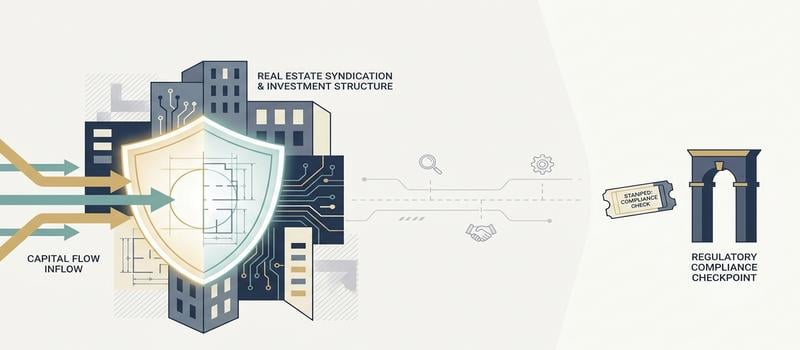
No, a federal Rule 506 exemption does not let you ignore Hawaii’s securities laws. It narrows what Hawaii can do, but it does not erase the state’s role. Rule 506 stops Hawaii from putting your offering through a full substantive review, but the state keeps the authority to require a notice filing, collect a fee, and enforce its anti-fraud rules.
That is the mental model for this whole article. Think of it as a federal overlay sitting on top of Hawaii’s existing framework. The federal government controls whether Hawaii can second-guess the merits of your deal. Hawaii still controls the administrative paperwork and still polices fraud. The Hawaii Department of Commerce and Consumer Affairs (DCCA) does not disappear just because you filed a Form D with the SEC.
The General Securities Registration Requirement in Hawaii
Hawaii starts from the same baseline as almost every state: you cannot sell a security in Hawaii unless it is registered or fits an exemption. That baseline lives in HI ST § 485A-301, which makes it unlawful to offer or sell a security in the state unless the security is a federal covered security, is registered under Hawaii’s Uniform Securities Act, or is exempt.
This is the foundational authority behind Hawaii’s Blue Sky law. It is the default rule that says the state gets to look at securities offerings sold to its residents.
Here is why it matters to you as a sponsor. If none of the exemptions or federal overlays applied, a commercial syndicator raising capital from a Hawaii investor would be looking at a full state registration process – the kind of costly, slow, merit-based review that § 485A-301 contemplates. That is exactly the process Rule 506 lets you bypass. You are not walking through that door. You are using a different one.
How Rule 506 Modifies Hawaii’s Authority
Rule 506 changes Hawaii’s authority through federal preemption. The National Securities Markets Improvement Act (NSMIA) classifies securities sold under Rule 506 as “federal covered securities.” That classification is what strips Hawaii of its power to conduct a substantive merit review of your offering.
In plain English, this means Hawaii regulators cannot block your Rule 506 raise because they dislike the deal, think the sponsor fee is too high, or believe the projections are too optimistic. Those merit judgments belong to the federal framework, not to the state.
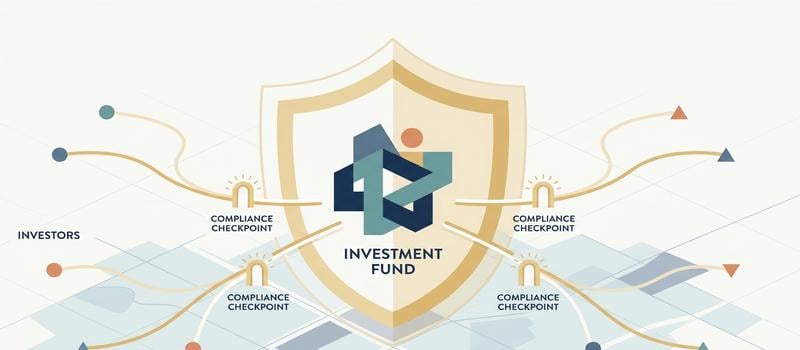
What Hawaii keeps is narrower but real. The state can still require you to submit a notice of the offering and pay an associated fee, and it retains its anti-fraud authority regardless of preemption. That obligation is a notice filing, not state registration. The distinction is not cosmetic. A notice filing tells the state your offering exists and provides basic information about it. It is not a request for approval, and Hawaii does not “clear” or endorse the deal by accepting it. The state is simply exercising the sliver of authority NSMIA left in place.
Hawaii Intrastate Exemptions vs. Federal Rule 506
If your property and your investors are all in Hawaii, you might wonder whether you should skip Regulation D entirely and use a Hawaii-only exemption. You can. I just do not think you will like the box it puts you in. Purely intrastate offerings depend on strict residency, and a single out-of-state investor can collapse the whole thing. Federal Rule 506 gives commercial syndicators a national framework that is far easier to manage, which is why almost everyone raising private capital uses it.
Understanding Hawaii’s Local Exemption Framework
Hawaii’s securities code has its own exemptions built into the Uniform Securities Act. Two provisions set the landscape.
HI ST § 485A-201 lists classes of exempt securities. These are categories the state has decided do not need registration on their own terms – things like government-issued securities and securities of certain regulated financial institutions. If your security fits one of those defined classes, § 485A-201 removes the registration requirement for that instrument.
HI ST § 485A-203 works differently. It covers exempt transactions and gives the state the flexibility to exempt specific kinds of offers and sales rather than specific kinds of securities. This is the bucket where limited, transaction-based exemptions live.
Here is the practical problem. These state exemptions are narrow and fact-specific. They were not written with the standard commercial real estate syndication or private equity fund in mind. A typical sponsor raising a pooled investment from a group of investors does not slide neatly into either provision. So while the state framework exists, it usually is not the tool a syndicator reaches for.
Why Syndicators Overwhelmingly Choose Rule 506
Rule 506 wins because it does not chain your offering to state lines. That is the whole issue.
An intrastate exemption asks a lot of you. The issuer generally has to be a Hawaii resident doing business in Hawaii, the assets and use of proceeds have to stay tied to the state, and every single purchaser has to be a Hawaii resident. Principal-place-of-business tests and “doing business” requirements make this hard to manage in the real world, not because your deal is exotic, but because people and money move.
Think about what happens when one investor does not fit. Say you have lined up a Hawaii raise and a longtime investor calls – except he just relocated to California, or he keeps his primary residence on the mainland. Accepting his money can knock the residency requirement out from under the exemption. You are not adding a filing. You are potentially losing the exemption for the whole offering. That is a problem you do not need.
Rule 506 handles the same situation completely differently. Under Regulation D, an out-of-state investor does not destroy anything. If someone from another state invests, that typically triggers a notice filing obligation in that state – a piece of paperwork and a fee, as covered in the sections that follow. Your exemption survives. You are dealing with an administrative step, not an existential threat to the raise.
That is the tradeoff in one sentence. The intrastate route trades flexibility for a narrow local exemption, and the flexibility usually matters more. If you want to understand how these federal securities laws fit together for a syndication, that broader Regulation D framework is where most sponsors end up – and for good reason.
The First Sale Trigger and Notice Filing Deadlines
Timing is what makes a Rule 506 filing compliant or late. The federal Form D is due within 15 days of your first sale of securities, and that same first-sale event is what starts the clock on the corresponding Hawaii notice filing once a Hawaii resident invests. Get the trigger right and the rest is administrative. Miss it and you have created a problem you did not need.
The 15-Day Federal and State Deadline
Your Form D has to be filed with the SEC within 15 calendar days of the “first sale” in the offering. First sale is not when you start talking to investors or when you sign someone up in principle. It is when the first investor is irrevocably committed to buy – practically, when the subscription is accepted and the money is in.
That federal Form D is the foundation for the state notice filing. The state filing is built on the same Form D data, so the federal timeline sets the rhythm for what you owe Hawaii. When your first sale goes to a Hawaii resident, that sale triggers the obligation to give notice to Hawaii’s securities regulator, and it does so on the federal 15-day cadence rather than some separate Hawaii-invented calendar.
The point to hold onto is that the first sale into a jurisdiction is the event that matters. It is not the first conversation. It is not the closing of the whole raise. It is the first accepted subscription from a resident of that state.
The Immediate Out-of-State Investor Notification Rule
Build one hard operational rule into your raise: the moment money arrives from a resident of a state you have not filed in yet, tell your legal counsel. That day, not at the end of the month.
Here is why. The notice obligation is triggered immediately by that first sale in the jurisdiction, and it runs on a short clock. If your first Hawaii investor funds on the 3rd and nobody tells counsel until the 20th, the window has already closed while everyone assumed there was plenty of time. The deadline does not wait for your internal process to catch up.
Think of it as two separate questions. Jurisdiction tells you which rules apply – a Hawaii resident pulls Hawaii’s notice framework into play. Timing tells you whether you actually complied. You can know exactly which state’s rules govern and still be late, and late is what invites administrative headaches. So the sponsor’s job is simple to state: track where each investor resides, flag every new state the first time money comes in from it, and get that information to counsel right away so the filing lands inside the window.
Hawaii Notice Filing Mechanics and Regulatory Scrutiny
The mechanics are straightforward: you submit the Hawaii notice filing and the state fee electronically, and you do it promptly. Most Rule 506 state notice filings today run through an online platform rather than paper mailed to a state office, and the fee gets paid at the same time. The harder part is not the “how.” It is the “when,” and getting the fee schedule right at the time you file.
Using the NASAA Electronic Filing Depository
Rule 506 state notice filings are typically submitted through the NASAA Electronic Filing Depository, usually called EFD. In most cases you are not printing a Form D and mailing paper copies to a state securities administrator anymore. The filing is electronic.
The North American Securities Administrators Association (NASAA) runs the EFD platform to coordinate these state-level notice filings in one place. That coordination is the whole point – instead of managing a separate paper process for each state your investors live in, counsel enters the Form D data and directs the notice to the states that need it, including Hawaii.
Through EFD, that Form D information reaches the Hawaii Department of Commerce and Consumer Affairs. You are giving Hawaii notice of an offering it cannot second-guess on the merits, in the format the state expects to receive it. Practically, whoever handles your federal Form D usually handles the state notice filings at the same time, because they are working from the same data.
State Filing Fees and Regulatory Expectations
Hawaii requires a filing fee alongside the notice submission. There is no way around the fee – it is part of the administrative authority the state kept after preemption. What I am not going to do is quote you a dollar figure. Fee schedules change, and you should confirm the current amount against Hawaii’s current fee schedule at the time you file rather than relying on a number you saw in an article. Your counsel will pull the current fee when the filing goes in.
On timing, be careful with the assumption that a late notice filing is harmless. Federal preemption limits what Hawaii can review about the substance of your deal. It does not turn the state into a bystander on your paperwork. Missing a state filing deadline can invite regulatory scrutiny you did not need and complicate an otherwise clean capital raise. I would not treat the filing as optional or the timing as flexible.
The better posture is simple. File on time, pay the current fee, and keep the offering in good standing. That keeps the state’s remaining authority pointed at fraud enforcement, where it belongs, and off your administrative record.
Out-of-State Syndication Counsel for Hawaii Offerings
You usually do not need to hire a separate Hawaii-licensed attorney to run a federal Rule 506 offering. For a standard Regulation D raise, your primary securities counsel typically handles the SEC Form D and coordinates the corresponding state notice filings, including Hawaii. Where local counsel earns its keep is a purely intrastate offering built entirely on Hawaii state law – a different animal that turns on state statutes and local practice.
Managing Federal Exemptions with Nationwide Counsel
Rule 506 is a creature of federal securities law. That is the reason nationwide securities counsel can manage a Hawaii investor without opening a Honolulu office. The exemption, the disclosure framework, and the Form D all come from the federal side, and the state’s remaining role is the notice filing and fee already covered above.
In practice, securities counsel who structure Regulation D offerings do this across many states at once. They build the offering under Rule 506, file the federal Form D, and then push the associated notice filings out to each state where an investor resides. Hawaii is one more jurisdiction on that list, not a special project. The Form D data is the same; the state filings ride on it.
The sponsor benefits from having one legal strategy instead of a patchwork. If you had to retain fresh local counsel in every investor’s home state, you would be paying multiple lawyers to relearn your deal and coordinating among them – a slow, expensive way to accomplish what centralized counsel does as a routine matter. For a federal Rule 506 offering, using your primary securities counsel to handle the national filing picture is the ordinary standard, not a workaround.
I will not tell you that an out-of-state attorney can never brush up against a state’s practice rules. Those rules exist, and they can matter at the edges. But the routine national practice for federal Rule 506 offerings is for the sponsor’s securities counsel to run the federal exemption and the associated state notice filings from wherever they sit.
When Local Hawaii Counsel is Necessary
Local Hawaii counsel becomes necessary when the offering stops being federal. If you abandon Regulation D and try to raise under a strictly Hawaii-specific intrastate exemption, the entire analysis lives in state law – the exemption itself, the residency requirements, and how Hawaii’s regulator reads them. That is the kind of state-law work where a Hawaii-licensed attorney who knows the local terrain is genuinely useful.
The same is true for pieces of a deal that are not securities work at all. Drafting or reviewing Hawaii real estate transaction documents, or navigating a local regulatory requirement specific to the asset, can call for a lawyer admitted in Hawaii. That is a different question from who structures your Rule 506 offering.
So the practical line is this. Federal Rule 506 offering and its state notice filings – your securities counsel typically handles it. Purely state-law offering, or local transactional work tied to Hawaii – that is where you bring in local counsel to cover the ground federal practice does not reach.
Frequently Asked Questions About Hawaii Blue Sky Laws
Most sponsors come out of the main discussion with the same handful of practical questions: does the Hawaii notice filing actually apply, is it the same as registration, when is it due and what does it cost, how does Rule 506 compare to an intrastate offering, and who can file it. Here are the short answers.
Does a Rule 506 offering require a Hawaii Blue Sky notice filing?
Generally yes, once you sell to a Hawaii resident. When your Rule 506 offering makes a sale to someone who resides in Hawaii, that sale pulls Hawaii’s notice-filing framework into play, and you provide the state notice along with the fee.
Federal preemption does not erase this. NSMIA classifies Rule 506 securities as federal covered securities, which takes Hawaii’s substantive merit review off the table. It does not take away the state’s authority to require notice of the offering and collect a fee. Those are two different things. Preemption blocks the state from judging your deal; it does not block the state from requiring the paperwork that tells it your deal exists.
So the distinction to hold onto is notice versus merit review. A notice filing informs the state. A merit review would let the state pass judgment on the offering. Rule 506 leaves you with the first and shields you from the second.
Is a Hawaii Blue Sky notice filing the same as registering the offering?
No. A notice filing and state registration are different things, and the difference matters.
Registration is the full state process – the review track under HI ST § 485A-301 that Rule 506 lets you bypass. A notice filing is just that: notice. You are telling Hawaii your offering exists and giving it the Form D information. Hawaii does not approve, clear, or endorse the offering by accepting the notice, and you should never describe it that way to an investor.
What Hawaii keeps through all of this is its anti-fraud authority. Preemption limits merit review, not fraud enforcement. If someone lies to investors, the state’s fraud powers are still very much alive.
When is the Hawaii notice filing due, and what does it cost?
The timing runs off your first sale. The federal Form D is due within 15 days of the first sale in the offering, and the corresponding Hawaii notice rides on that same first-sale event once a Hawaii resident invests. That first accepted subscription from a Hawaii resident is the trigger.
On cost, I am not going to give you a dollar figure. Hawaii requires a filing fee, but fee schedules change, and I would not want you relying on a number from an article that may be stale by the time you file. Confirm the current fee against Hawaii’s current fee schedule at the time of filing – your counsel pulls it when the filing goes in. The same caution applies to any separate platform charge and to how Hawaii treats a late filing; do not assume a missed deadline is free of consequence. Verify the current requirements at the moment you file rather than treating older figures as settled.
How is a Rule 506 offering different from a purely intrastate Hawaii offering?
The core difference is how sensitive each one is to where your investors live. An intrastate exemption is narrow and fact-dependent, and purchaser residency is central to it – the exemption depends on selling to Hawaii residents, and an investor who does not fit that residency picture can put the whole exemption at risk. It is a state-law structure with tight boundaries.
Rule 506 is a federal framework that does not fall apart when investors live in different states. An out-of-state investor typically triggers a notice filing obligation in that investor’s state rather than blowing up your exemption. You accommodate investors across state lines, subject to the state notice filings that come with them. That flexibility is why most syndicators choose Rule 506 over an intrastate route.
Can out-of-state securities counsel handle a Hawaii Rule 506 notice filing?
For a federal Rule 506 offering, yes – that is the routine national practice. Nationwide securities counsel commonly structures the Regulation D offering, files the federal Form D, and coordinates the associated state notice filings, Hawaii included. You generally do not need to retain separate Hawaii-licensed counsel just to run the federal exemption and its notice filings.
The analysis changes when the work stops being federal. A purely intrastate Hawaii offering built on state law, or local transactional work tied specifically to Hawaii, is where a Hawaii-licensed attorney becomes appropriate. And I would not claim that state practice rules can never touch an out-of-state lawyer – those rules exist and can matter at the margins. The clean line is federal Rule 506 and its notice filings on one side, purely state-law work on the other.

Tilden Moschetti, Esq., is a highly sought-after syndication attorney with nearly two decades of experience. His clientele ranges from real estate developers and startups to established businesses and private equity funds. Tilden’s expertise in syndication law comes not only from his knowledge of syndication and securities law but from real, hands-on experience as an active syndicator himself in every real estate product type and nearly all markets in the US. His knowledge and experience set him apart and established him as the Reg D legal services leader.